
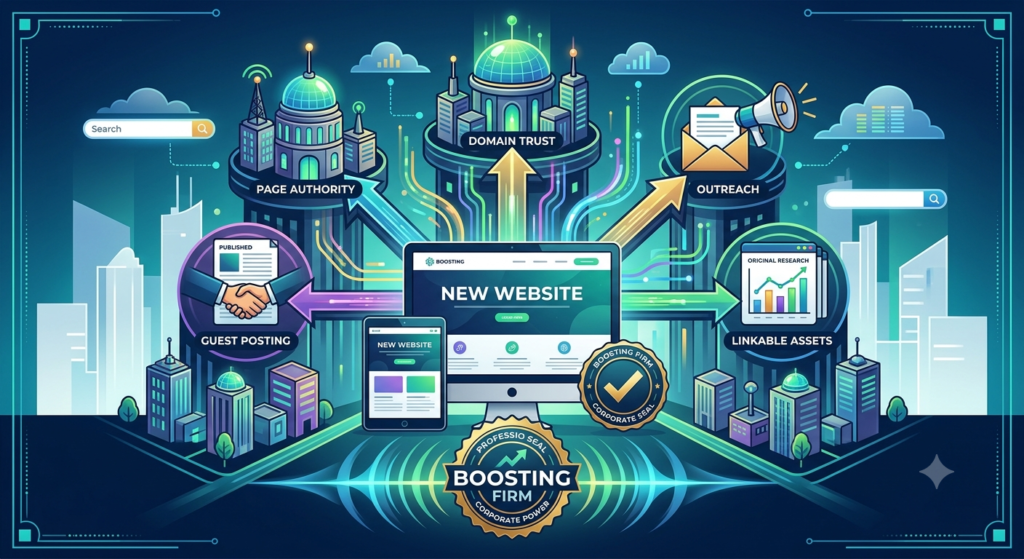
Launching a new website is the easy part. Getting it to actually show up on Google is where most people get stuck — and backlinks are usually the missing piece. A brand-new site has no history, no trust, and no signals telling Google it’s worth ranking, which is exactly why agencies like BoostingFirm spend so much time helping new sites figure out how to build backlinks for a new website the right way, without the shortcuts that can backfire later.
This guide covers realistic, safe methods to start earning backlinks when you’re starting from zero.
Why New Websites Struggle Without Backlinks
Search engines use backlinks as a trust signal. When other websites link to yours, it tells Google that real sites vouch for your content. A brand-new site simply hasn’t earned that trust yet, which is part of why even well-written content on a new domain can sit unranked for weeks or months without any outside signals pointing to it.
Start With the Basics Before Chasing Links
Before reaching out for backlinks, make sure the site itself is ready. A few backlinks pointing to a thin, poorly structured site won’t do much. Confirm your site has genuinely useful content, reasonable page speed, and is properly indexed in Google Search Console. Backlinks amplify what’s already there — they don’t fix a broken foundation.
Realistic Ways to Build Backlinks for a New Website
1. Free Business Directories and Profiles
Sites like Google Business Profile, Crunchbase, and industry-specific directories are usually the fastest, lowest-effort links available to a brand-new site. They won’t carry huge authority individually, but they establish a baseline presence.
2. Guest Posting on Relevant, Smaller Sites
Trying to land a guest post on a massive, high-authority site right away is difficult for a new brand with no track record. Starting with smaller, genuinely relevant sites in your niche tends to work better early on — and those relationships often open doors to bigger placements later.
Backlinko’s guide on link building makes a similar point — relevance and a natural, gradual link profile tend to serve new sites better than chasing the highest-authority link possible from day one.
3. HARO and Journalist Requests
Services connecting journalists with sources let you offer expert quotes in exchange for a citation and link. This works well for new sites because it rewards genuinely useful expertise rather than existing authority.
4. Get Listed on Resource Pages
Many niches have community-maintained resource or “useful links” pages. If your content genuinely fits, a polite, specific outreach email suggesting it as an addition can work — especially since these pages are often actively looking for fresh, relevant additions.
5. Leverage Existing Relationships
Business partners, past colleagues, suppliers, or anyone who already knows your work is often more willing to link to a new site than a cold contact would be. This is one of the most overlooked early backlink sources.
6. Create One Genuinely Link-Worthy Piece of Content
Rather than spreading effort thin across many mediocre pages, put real effort into one standout resource — original data, a detailed guide, or a genuinely useful tool. New sites often earn their first natural, unsolicited links from a single strong piece rather than a dozen average ones.
What to Avoid Early On
- Buying large batches of cheap backlinks all at once — this creates an unnatural pattern that can raise flags rather than build trust
- Chasing high-authority sites exclusively while ignoring relevance
- Expecting fast results — new sites typically need consistent effort over months, not days, before backlinks translate into visible ranking movement
- Neglecting on-page SEO while focusing entirely on links
How Long Does It Take to See Results?
For a brand-new site, it’s common to need two to four months of consistent link building before rankings start moving meaningfully. This varies by niche and competition, but the pattern holds fairly consistently: steady, relevant link building compounds over time far more reliably than a short burst of activity.
Final Thoughts
Learning how to build backlinks for a new website really comes down to patience and relevance over speed and volume. Starting with accessible, realistic sources — directories, smaller guest posts, genuine relationships — builds a foundation that bigger, more competitive backlinks can be added to later.
Read more about how to get backlinks from guest posting for beginners →